





Insurance
Protect the property behind the mortgage.
Buildings insurance protects the structure of your property and its permanent fixtures and fittings. For most mortgaged freehold properties, suitable cover will be required by the lender.
We can arrange cover early in the mortgage process and help make sure the policy reflects the property, the correct rebuilding cost and any unusual features that need specialist attention.
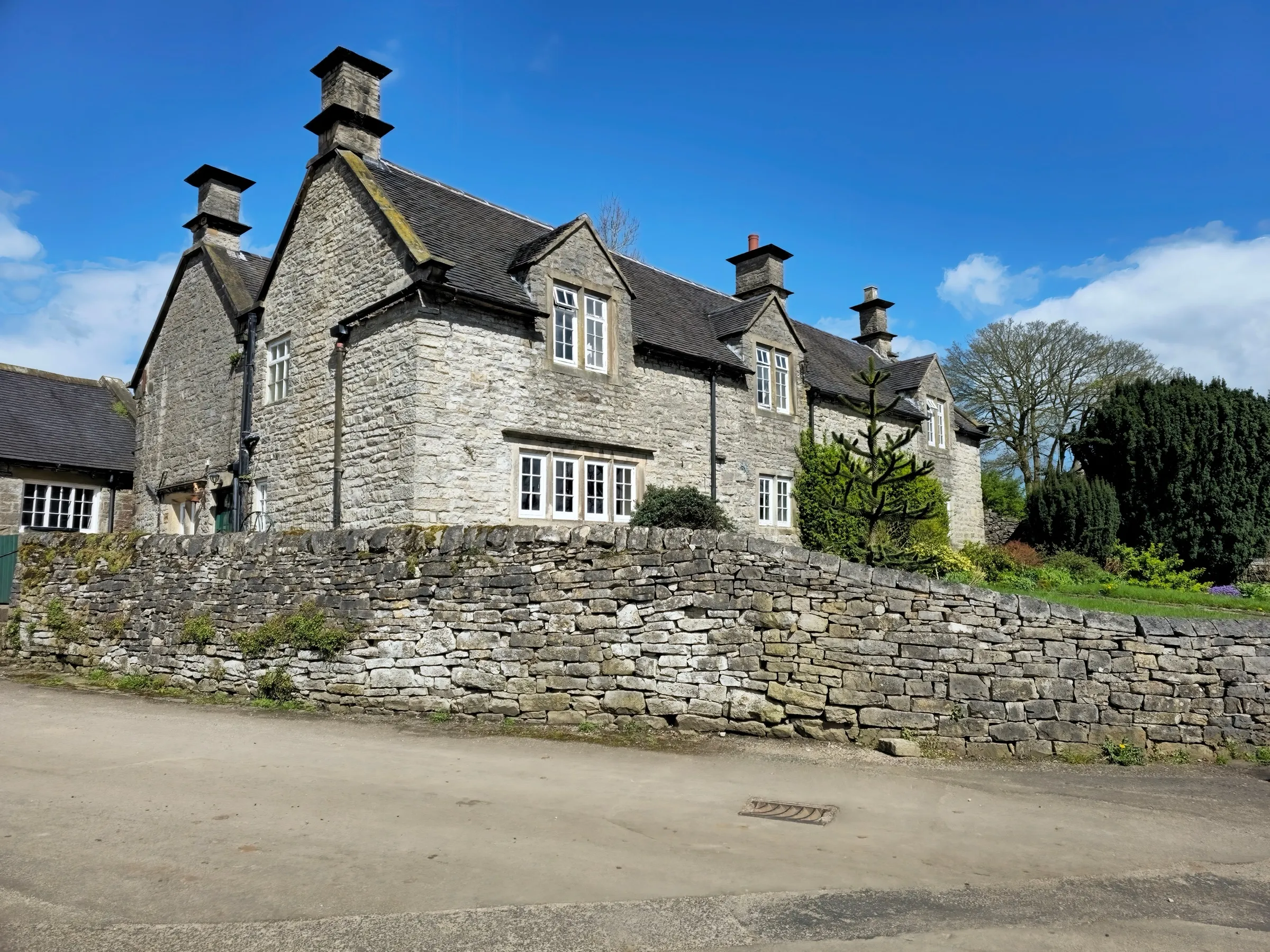
What buildings insurance can cover
A buildings policy is designed to cover the physical structure of the property. Depending on the policy, this can include:
- Walls, roof, floors, ceilings, windows and doors.
- Permanent fixtures and fittings, including fitted kitchens and bathrooms.
- Garages, outbuildings and certain external structures.
- Damage caused by insured events such as fire, flood, storm, escape of water, subsidence, impact, theft or malicious damage.
- The cost of demolition, debris removal and professional fees following major insured damage.
- Alternative accommodation if the home becomes uninhabitable after an insured event.
- Trace and access costs where parts of the building need to be opened to locate a leak, subject to policy terms.
What is commonly restricted
Cover varies. Wear and tear, poor maintenance, gradual damage and long periods of unoccupancy are commonly restricted or excluded. We will explain the relevant terms before a policy is arranged.
Mortgage requirements
The exact requirement is set by the mortgage offer and the lender's instructions. In most cases, the lender expects the property to be insured for an adequate reinstatement amount from the point at which the buyer becomes responsible for it.
The UK Finance Mortgage Lenders' Handbook contains general and lender-specific instructions for conveyancers. We will work to the relevant mortgage and legal timetable, while your solicitor confirms the contractual start date and any leasehold requirements.
The rebuilding cost is not the market value
A £1 million home does not automatically cost £1 million to rebuild, and a lower-value property can sometimes have a surprisingly high rebuilding cost. Reinstatement is influenced by construction, access, demolition, professional fees, local costs, specialist materials and the time required to rebuild.
The figure may be shown in a recent mortgage valuation or survey. A rebuilding cost calculator can help with standard homes, but listed buildings, high-value homes, blocks and unusual construction may require a professional reinstatement cost assessment.
It is important to review the figure after major improvements, extensions or material changes to construction costs.
Freehold, leasehold and block insurance
Freehold
The freeholder is normally responsible for arranging buildings insurance for the entire property, subject to any mortgage conditions.
Leasehold flat
The freeholder or managing agent usually arranges one buildings policy for the block and recovers the cost through the service charge. The leaseholder should obtain the schedule or summary, check the lease and make sure the arrangement meets the lender's requirements. Separate contents and valuables insurance may still be needed.
Whole block
Freeholders, resident management companies and block owners may need a single policy covering the complete structure and communal areas. The number of units, occupancy, commercial areas, rebuilding cost and responsibilities under the leases all need to be accurately disclosed.
Listed, historic and non-standard properties
Older and unusual homes need more care. A listed building may require like-for-like materials, specialist craftspeople and consultation with conservation bodies. RICS notes that these factors can increase both the cost and the time required for reinstatement.
We can also explore cover for properties of non-standard construction, homes with flat or unusual roofs, previous flooding or subsidence, high rebuilding values and properties that will be unoccupied for longer than a standard policy allows.
Home & Property Insurance
Frequently Asked Questions
-
It normally covers the main structure and permanent fixtures and fittings, but definitions vary. Outbuildings, boundary features, solar panels and other additions should be checked against the specific policy.
-
No. The purchase price is a market value. The buildings sum insured should reflect the cost of rebuilding the property and associated costs.
-
Usually the freeholder or managing agent arranges a block policy. You should check the lease and policy rather than assuming it covers every part of your flat or satisfies every lender condition.
-
Not always. Listed status, specialist materials and conservation requirements can make a property a non-standard risk and may require specialist underwriting.
-
Review it after an extension, major refurbishment or other material change, and whenever a valuation or professional assessment indicates that the previous figure may no longer be adequate.
-
The date depends on the contract, tenure and lender. On many freehold purchases in England and Wales the buyer needs cover from exchange, but the solicitor and lender should confirm the correct date for the transaction.
Start with the property, not a generic policy.
Send us the property details, valuation or survey and the relevant mortgage timescale. We will help establish the cover required and provide a quote before it becomes a last-minute task.
Request a buildings insurance quoteCover is arranged through our insurance sourcing arrangements, subject to underwriting and eligibility.
The information on this page is general guidance. Insurance is subject to underwriting and the terms, conditions, limits, exclusions and excesses of the selected policy. Full details will be provided before you decide whether to proceed.